Gelatide Official Website › Blog › A dropper is a rougher measure
Why A Dropper Is A Rougher Measure Than A Capsule
Squeeze depth, temperature, bottle level and reading angle all move a dropper dose, and the variation compounds across a six-week trial. What the format does well, and what it cannot fix.
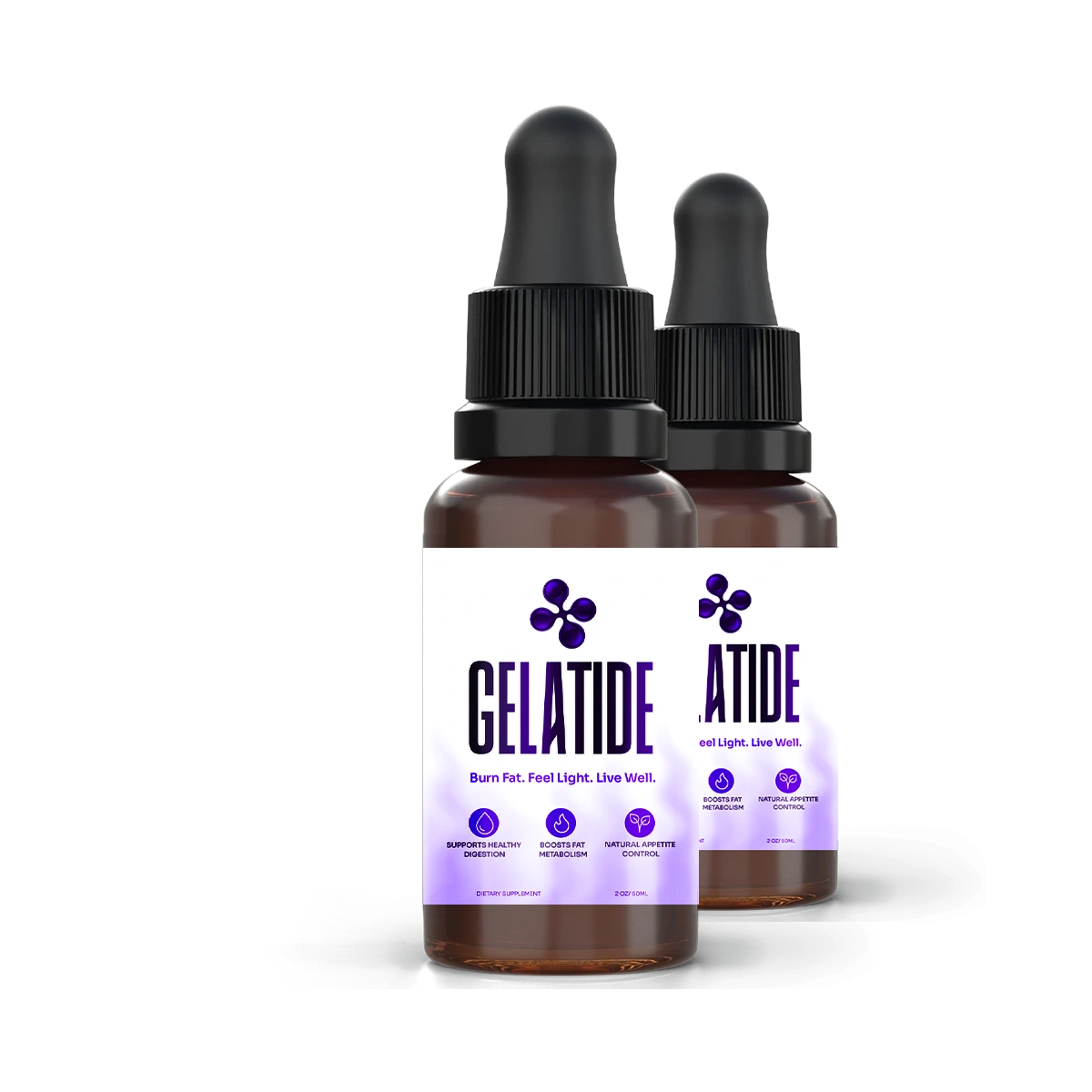
- A capsule is a fixed unit. A dropper is not: the volume you draw varies with how hard you squeeze, how cold the liquid is and how full the bottle is.
- That variation is larger than most people assume, and it compounds across a six-week trial.
- The advantages are real too. Faster onset, easier to take, no shell, and a partial serving is actually possible.
- Neither fixes the missing numbers. A precisely measured dose of an unquantified formula is still unquantified.
General information, not medical advice. Gelatide is a dietary supplement for healthy adults aged 18 and over. It is not a drug, it is not FDA-approved, and it is not intended to diagnose, treat, cure or prevent any disease. Two of its six extracts carry caffeine and one of them has a rare association with liver injury, so speak to a doctor or a pharmacist before adding it to anything you have been prescribed. Nothing on this page is a reason to delay seeing somebody about a symptom.
What a dropper bottle actually is
Gelatide is supplied as 2 fl oz, which is 60 ml, of liquid in an amber glass bottle with a rubber-bulb pipette built into the cap. You squeeze the bulb, release it to draw liquid up the glass tube, and dispense the result into your mouth or into water.
The amber glass is not decoration. Botanical extracts contain compounds that degrade under ultraviolet light, and coloured glass is the cheapest effective protection there is. A clear bottle on a sunny shelf is a worse product six weeks later than the day it arrived, which is why the storage advice on this website says to keep it out of direct sun.
Where the variation comes from
Here is the part the category does not discuss. A rubber-bulb dropper is a convenient dispenser and a poor measuring instrument, and the reasons are all mundane.
- Squeeze depth. A fully compressed bulb draws more than a half-compressed one, and nobody compresses it identically twice.
- Temperature. Cold liquid is more viscous, draws more slowly and clings to the glass. A bottle kept in a cold kitchen behaves differently from one kept in a warm one.
- Bottle level. As the bottle empties, the angle needed to submerge the tube changes, and a partly submerged tube draws air as well as liquid.
- Reading angle. Graduation marks, where a dropper has them, are read through curved glass, and looking down at one from above overstates the volume.
- Drip loss. Some of what you draw ends up on the outside of the tube or on the bottle neck rather than in you.
None of these is dramatic on its own. Together they mean the honest description of a dropper dose is a range rather than a number.
Why it matters more over six weeks than over one day
A single imprecise serving is irrelevant. The problem is what imprecision does to a trial you are running on yourself.
Buyers on this desk report noticing something at three to six weeks, which means you are conducting a forty-two-day experiment with one variable. If the dose in that experiment drifts by a third depending on how awake you were when you poured it, you have added noise to the one measurement you are trying to make.
| Capsule | Dropper | |
|---|---|---|
| Dose precision | Fixed by the filling machine | Varies with technique, temperature and bottle level |
| Partial dose | Not possible | Possible, which is useful when starting |
| Onset | Waits for the shell to disintegrate | Slightly faster |
| Taste | None | Six concentrated botanical extracts, which is not nothing |
| Travel | Easy | Glass, liquid limits, and an upright bag |
| Compliance | Depends on whether you mind swallowing pills | Often better for people who do |
The format is the small problem. The amounts are the large one.
A precisely measured dose of an unquantified formula is still unquantified. The ingredients page prints the dose each trial used beside the amount this label publishes for each of its six extracts.
$49 to $79 a bottle · 60-day money-back window
Order GelatideThe four things a liquid genuinely does better
This article is not an argument against the format, so here is the case for it, made properly.
- It starts sooner. There is no shell to disintegrate, so absorption begins earlier. The difference is minutes and it matters less than the marketing suggests, but it is real.
- You can take less. Starting at half the printed serving for the first few days is straightforward with a dropper and impossible with a capsule. For anyone cautious about the caffeine on this particular label, that is a genuine advantage.
- No shell at all. Gelatin capsules are an issue for some buyers, vegetable capsules carry their own cellulose derivatives, and a liquid has neither.
- People actually take it. Compliance is most of what decides whether any supplement does anything over six weeks, and a reader who hates swallowing pills is considerably more likely to finish a bottle of drops.
How to take a dropper serving consistently
You cannot make a dropper into a pipette, but you can remove most of the variation with four habits.
- Squeeze the bulb fully every time and release it in one movement rather than in stages.
- Hold the bottle upright and the dropper vertical when you read it, at eye level rather than looking down.
- Keep the bottle at room temperature. Not the fridge, not a windowsill, not a bathroom cabinet full of shower steam.
- Take it at the same time daily, which does nothing for precision but does a great deal for whether you take it at all.
The routine page sets these out as a numbered sequence alongside the timing advice, which matters here because two of the six extracts carry caffeine.
What the format cannot fix
It is worth being blunt about the limit of this whole discussion. Perfect dropper technique gets you a consistent volume of a formula whose composition is not published.
You would be taking exactly 2 ml of something every morning, and you still would not know how much green tea extract, guarana, African mango, forskolin, capsicum or raspberry ketone that 2 ml contained, because the label does not say. The FDA's dietary supplement pages set out what a label has to carry, and NCCIH's supplement guidance explains why standardisation matters when a botanical is concerned. Neither can help with a figure that was never printed.
What storage does to a liquid that a capsule shrugs off
The second real difference between the formats is one nobody mentions at the point of sale: a liquid is a more demanding thing to keep. A capsule in a sealed bottle is genuinely robust. A botanical extract in solution is not.
- Light. Ultraviolet light degrades polyphenols, which is most of what is interesting in a green tea or a capsicum extract. The amber glass is the defence, and a sunny windowsill defeats it.
- Heat. Reaction rates rise sharply with temperature, so a bottle kept somewhere warm is losing something faster than one kept cool. A kitchen cupboard away from the hob is the right place for it.
- Humidity and steam. A bathroom cabinet is the worst common storage location for any supplement and is particularly poor for a bottle whose cap comes off daily.
- Air. Every time the dropper comes out, air goes in. A bottle that takes six months to empty has been opened roughly a hundred and eighty times, which is one argument against buying six of them before you know whether you like it.
- Time after opening. Liquids usually carry a period-after-opening figure. This label does not publish one, which is another blank recorded on the batch page.
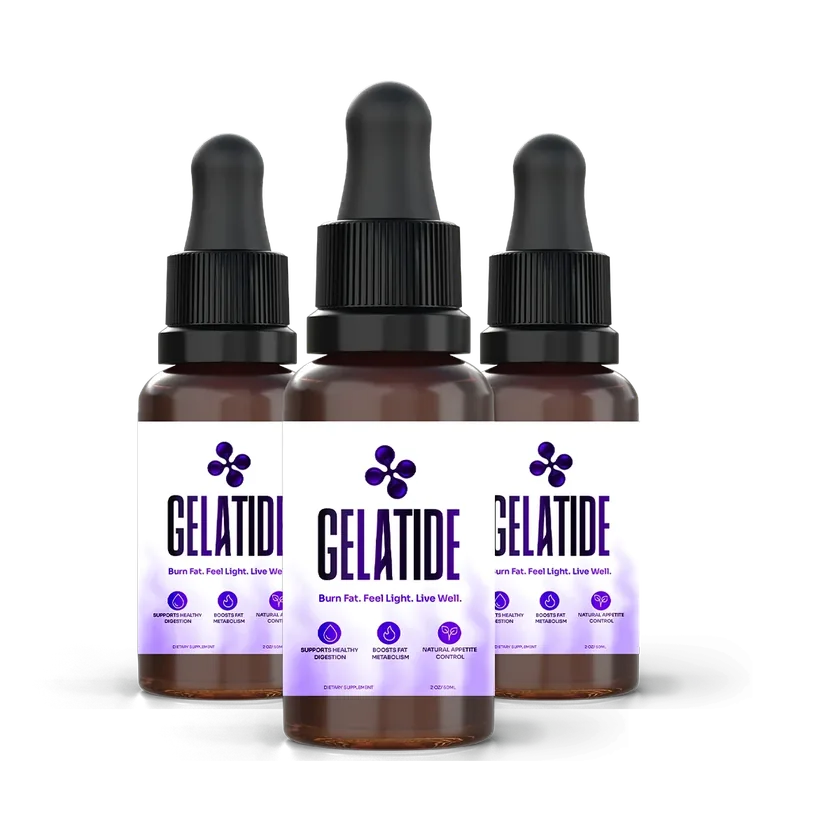
None of this is alarming and all of it is ordinary. The practical upshot is that a liquid rewards buying a quantity you will actually finish, and the three-bottle pack looks better against that test than the six-bottle one does. That happens to agree with the pricing page, which reaches the same conclusion from the guarantee window rather than from chemistry.
Choosing between a liquid and a capsule
If you are deciding between formats rather than between products, three questions settle it faster than any amount of reading.
- Will you actually take it? If capsules are why you stopped last time, the precision argument is irrelevant and a liquid is the right answer.
- Do you want the ability to start small? With two caffeine-bearing extracts in the formula, some buyers reasonably do.
- Does the product publish its amounts? This is the question that outranks the other two by a distance, in either format, and it is the one the nine-point checklist puts first.
MedlinePlus and NCCIH's green tea page both discuss the way a preparation changes what an ingredient does, which is the underlying reason question three matters more than the first two.
The verdict
A dropper is a friendlier dispenser and a rougher measure. For a product with published amounts, that trade is usually worth making: consistency of habit beats consistency of dose for most people over six weeks.
For a product with no published amounts, the argument is a little academic. You are measuring an unknown carefully. That is better than measuring it carelessly, and it is not the same as knowing what you took. The label page sets out the ten rows that would change that answer.
Sources cited in this article
- U.S. Food and Drug Administration. Dietary Supplements. https://www.fda.gov/food/dietary-supplements
- U.S. Food and Drug Administration. Questions and Answers on Dietary Supplements. https://www.fda.gov/food/information-consumers-using-dietary-supplements/questions-and-answers-dietary-supplements
- National Center for Complementary and Integrative Health. Dietary and Herbal Supplements. https://www.nccih.nih.gov/health/dietary-and-herbal-supplements
- MedlinePlus. Dietary Supplements. U.S. National Library of Medicine. https://medlineplus.gov/dietarysupplements.html
- National Center for Complementary and Integrative Health. Green Tea. https://www.nccih.nih.gov/health/green-tea

Every page, every journal post, the bottle facts and the ingredients go through review by Dr. Goldwyn Foggie (Dr. Goldie), MD before they ship. We write from the printed Gelatide bottle and the seller’s own listing artwork, cite public research beside the amount that research actually used, and print “not published” wherever a figure is not disclosed rather than estimating it. This label names six botanical extracts and publishes no amount for any of them, and that fact appears in every article that names one. Corrections are made on the page itself and the review date moves forward. Write to [email protected]. Last updated September 17, 2026.