Gelatide Official Website › Blog › African mango: what the trials found
African Mango: What The Irvingia Gabonensis Trials Actually Found
One well-designed 2009 trial, a systematic review that judged the literature poor, and no independent replication in fifteen years. The evidence, described accurately.
- The famous trial is real. A 2009 randomised, double-blind, placebo-controlled study of a standardised extract called IGOB131 reported large effects over ten weeks.
- The systematic review was not impressed. It judged the methodological quality of the available trials poor and declined to call the effect established.
- Almost all the positive data comes from one research group. That is the single most important fact in this article.
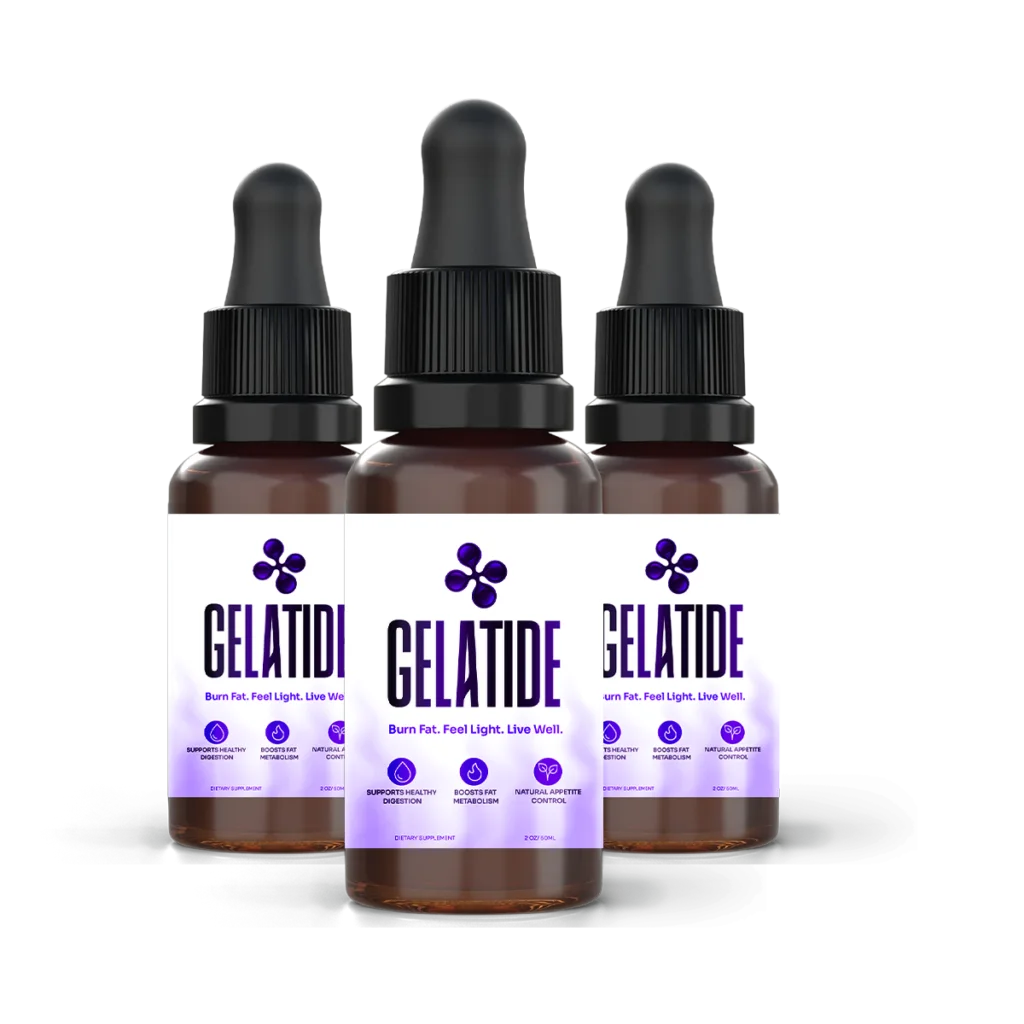
- The dose was 300 mg a day of a defined extract. This label names neither a dose nor a standardisation.
General information, not medical advice. Gelatide is a dietary supplement for healthy adults aged 18 and over. It is not a drug, it is not FDA-approved, and it is not intended to diagnose, treat, cure or prevent any disease. Two of its six extracts carry caffeine and one of them has a rare association with liver injury, so speak to a doctor or a pharmacist before adding it to anything you have been prescribed. Nothing on this page is a reason to delay seeing somebody about a symptom.
What African mango actually is
Irvingia gabonensis is a West African tree. Its fruit is a mango in the loose sense that it is a fleshy drupe, but the supplement is made from the seed, not the flesh. The seed, known locally as dika nut, is a traditional food thickener in Cameroon and Nigeria, and it is high in soluble fibre.
That fibre content is the mechanistic starting point, and it is worth noticing that it is an unglamorous one. Soluble fibre slows gastric emptying and can modestly affect the absorption of fat and carbohydrate. Proposals involving leptin signalling and adipogenesis came later and rest on much thinner ground.
The 2009 trial, described properly
The IGOB131 study is the reason this ingredient is on labels at all, so it deserves to be described accurately rather than either waved at or dismissed.
- Design: randomised, double-blind, placebo-controlled. That is the right design and the trial deserves credit for it.
- Participants: 102 overweight adults.
- Intervention: 150 mg of a standardised Irvingia gabonensis seed extract called IGOB131, twice a day before meals. Three hundred milligrams daily.
- Duration: ten weeks.
- Reported results: significant reductions in body weight, body fat and waist circumference, with improvements in several metabolic markers.
The full text is open access, which is unusual for a trial of a commercial extract and means anybody can read the methods rather than the press release. That is genuinely to the study’s credit.
So why is the rest of this article a caution rather than a recommendation? Because a single trial, however well designed, is a starting point rather than a conclusion, and what happened next is the part that rarely gets quoted.
What happened when somebody checked
Onakpoya and colleagues published a systematic review of the randomised evidence for Irvingia gabonensis in overweight and obesity. They found only a handful of eligible trials, assessed their methodological quality as poor, and concluded that the evidence was insufficient to establish the effect.
That verdict is not a claim that the trials were fraudulent or that the ingredient does nothing. It is the standard finding when a small, young literature is examined systematically for the first time: the studies exist, they are too few and too small, and the reporting does not allow a reader to be confident.
| The 2009 trial | The systematic review | |
|---|---|---|
| What it looked at | One extract, one population, ten weeks | The whole randomised literature |
| Design quality | Randomised, double-blind, placebo-controlled | Judged the pooled quality poor |
| Conclusion | Significant effects on weight and metabolic markers | Effect not established |
| Independence | Single research group | Independent of the manufacturers |
| What a buyer should take | Promising | Not yet shown |
Six extracts, six different evidence records
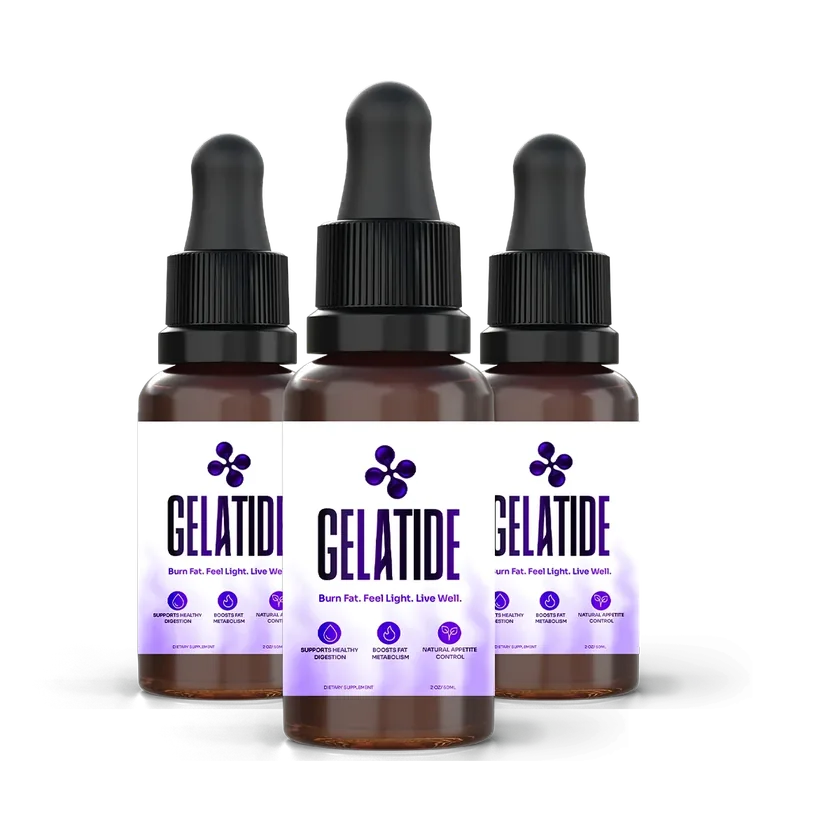
African mango is the third of six on this label. The ingredients page ranks all six by the quality of their human evidence, and prints the dose each trial used beside the amount this bottle publishes, which is none.
$49 to $79 a bottle · 60-day money-back window
Order GelatideThe problem of a single research group
This is the fact that decides how the whole literature should be read, and it is almost never mentioned on a sales page.
The positive trials of Irvingia gabonensis come overwhelmingly from one research group working with one commercial extract. That is not an accusation of anything. New ingredients are usually first studied by the people who developed them, and there is no other way for a literature to begin.
It does mean something specific for a reader, though. Independent replication is what turns a promising finding into an established one, because it is the only way to rule out the shared assumptions, methods and incentives that a single group carries into every study it runs. Until somebody unconnected reproduces a result, the honest description is “reported by its originators and not yet independently confirmed”.
Apply that test to African mango and the answer is that fifteen years after the headline trial, the independent replication has not arrived.
What the later meta-analyses found
Two pooled analyses since have looked at the question from wider angles and neither improves the picture.
- Lee and colleagues examined anthropometric and cardiovascular outcomes across the available Irvingia studies and found the evidence base thin and the conclusions uncertain.
- Maunder and colleagues pooled randomised trials of herbal weight products generally and concluded that effects across the category were too small and too inconsistent to recommend any of them.
- Bessell and colleagues did the same for supplements built on isolated organic compounds and reached the same conclusion.
Three independent groups, three overlapping questions, one answer. That convergence is more informative than any single trial in either direction.
The dose, and why it matters here
Everything above concerns a specific preparation at a specific amount: 300 mg a day of a standardised extract, taken before meals. Two facts about the Gelatide label follow from that.
- No amount is published. Not for African mango and not for any of the other five extracts. There is no figure to compare with 300 mg.
- No standardisation is named. IGOB131 is a defined extract. “African mango seed extract” is a category, and two products carrying that phrase can differ substantially in what they contain.
The practical consequence is that even a reader who finds the 2009 trial persuasive cannot use it to predict anything about this bottle. The label page sets out the ten rows a full Supplement Facts panel would need, and this is one of them.
Safety, as far as anybody knows
The adverse effects reported in the Irvingia trials were mild: headache, dry mouth, disturbed sleep and flatulence. No serious safety signal has emerged.
That is a genuinely reassuring sentence and it comes with a caveat attached. An absence of reported harm in a small literature is a weaker statement than it sounds, because the literature is small. A few hundred participants across a handful of short trials cannot detect an uncommon problem, and that is true of most ingredients in this aisle rather than of this one in particular.
How to read any single-trial ingredient
African mango is a worked example of a pattern that repeats across this entire aisle, so the method below is worth more than the conclusion above. When a product leans on one famous study, five questions settle how much weight it can carry.
- Who ran it? A trial conducted by the people who developed or sell the extract is not disqualified by that, but it stays unreplicated until somebody unconnected repeats it.
- How many people, for how long? A hundred participants over ten weeks is a pilot. It is not a body of evidence, whatever the effect size looked like.
- Has a systematic review looked at it? This is the highest-value question and the fastest to answer. If one exists, its verdict outranks any single paper, including the one on the sales page.
- What exact preparation was used? A standardised extract with a code name is a specific thing. The generic botanical name on a label is not the same thing and may contain a fraction of the active material.
- Has anything been published since? Fifteen years of silence after a striking result is itself a finding, and it is the one nobody prints.
Run those five against any ingredient and you will reach a defensible position in about ten minutes. The nine-point checklist folds the same reasoning into a broader product test, and the category guide explains why the pooled analyses matter more than any individual paper in this field.
What this means if you are about to buy
Three practical conclusions, written for somebody with a card in their hand.
- Do not buy for the African mango. If this ingredient is the reason a product appeals to you, the evidence does not currently support that decision.
- Treat any named amount as the minimum standard. A product that publishes 300 mg of a standardised extract is telling you considerably more than one that names the ingredient and stops. This bottle is in the second group.
- Let the guarantee do the work. Where the evidence cannot tell you whether something will help, the refund window is the only real protection, which is why the guarantee page spells out what it costs you as well as what it covers.
The verdict
African mango has one well-designed trial, a systematic review that judged the wider literature poor, no independent replication in fifteen years, and a category-level meta-analysis that found nothing worth recommending. It is not a scam ingredient and it is not an established one.
On this particular label it also arrives with no amount and no standardisation, which means even the optimistic reading cannot be applied to the bottle. If you are buying Gelatide, buy it for the reasons on the ingredients page that survive scrutiny, and treat this one as a name on a list.
Sources cited in this article
- Onakpoya I, Davies L, Posadzki P, Ernst E. The efficacy of Irvingia gabonensis supplementation in the management of overweight and obesity: a systematic review of randomized controlled trials. J Diet Suppl. 2013;10(1):29-38. https://pubmed.ncbi.nlm.nih.gov/23419021/
- Ngondi JL, Etoundi BC, Nyangono CB, Mbofung CM, Oben JE. IGOB131, a novel seed extract of the West African plant Irvingia gabonensis, significantly reduces body weight and improves metabolic parameters in overweight humans in a randomized double-blind placebo controlled investigation. Lipids Health Dis. 2009;8:7. https://pubmed.ncbi.nlm.nih.gov/19254366/
- Ngondi JL, et al. IGOB131 seed extract of Irvingia gabonensis: full text, open access. Lipids in Health and Disease, 2009. https://pmc.ncbi.nlm.nih.gov/articles/PMC2651880/
- Lee J, Chung M, Fu Z, Choi J, Lee HJ. The effects of Irvingia gabonensis seed extract supplementation on anthropometric and cardiovascular outcomes: a systematic review and meta-analysis. J Am Coll Nutr. 2020;39(5):388-96. https://pubmed.ncbi.nlm.nih.gov/31855111/
- Maunder A, Bessell E, Lauche R, Adams J, Sainsbury A, Fuller NR. Effectiveness of herbal medicines for weight loss: a systematic review and meta-analysis of randomized controlled trials. Diabetes Obes Metab. 2020;22(6):891-903. https://pubmed.ncbi.nlm.nih.gov/31984610/
- Bessell E, Maunder A, Lauche R, Adams J, Sainsbury A, Fuller NR. Efficacy of dietary supplements containing isolated organic compounds for weight loss: a systematic review and meta-analysis of randomised placebo-controlled trials. Int J Obes (Lond). 2021;45(8):1631-43. https://pubmed.ncbi.nlm.nih.gov/33976376/

Every page, every journal post, the bottle facts and the ingredients go through review by Dr. Goldwyn Foggie (Dr. Goldie), MD before they ship. We write from the printed Gelatide bottle and the seller’s own listing artwork, cite public research beside the amount that research actually used, and print “not published” wherever a figure is not disclosed rather than estimating it. This label names six botanical extracts and publishes no amount for any of them, and that fact appears in every article that names one. Corrections are made on the page itself and the review date moves forward. Write to [email protected]. Last updated September 17, 2026.